In Virginia, robocalls are regulated by the Telephone Consumer Protection Act (TCPA) and Do-Not-Call List (DNC). Residents can protect themselves by registering on the DNC list and using call-blocking tools. Suing for robocalls in Virginia is an option under the TCPA, but it's not always practical; filing a complaint with authorities or consulting a legal professional is advised.
In the digital age, robocalls have become a ubiquitous yet unwanted nuisance. Marion’s Southwest Virginia faces heightened disruption from automated phone calls, prompting this comprehensive guide. Understanding Virginia’s laws and protections is crucial for residents seeking relief from relentless robocallers. This article navigates when robocalling is legal, explores Do-Not-Call list rules, offers practical strategies to stop unwanted calls, and delves into legal recourse, even considering if you can sue for robocalls in Virginia.
Understanding Robocalls in Virginia: Laws and Protections
In Virginia, like many states, robocalls have become a persistent and frustrating issue for residents. These automated phone calls, often used for telemarketing or political purposes, can be a nuisance and, in some cases, illegal. Understanding the laws and protections surrounding robocalls is essential for Virginia folks to know their rights.
The Telephone Consumer Protection Act (TCPA) offers significant safeguards against unwanted robocalls. Under this federal law, it’s generally illegal to make automated calls using prerecorded messages without prior explicit consent. If you’ve received a robocall in Virginia and believe your privacy has been violated, you may have the right to take legal action. The TCPA allows individuals to sue for damages if they can prove that they were called despite not giving permission. This includes the possibility of seeking monetary compensation for each violation, making it plausible to sue for robocalls in Virginia if the calls are harassing or unauthorized.
When is Robocalling Legal? Uncovering Do-Not-Call List Rules

In Virginia, as in many states, robocalling is regulated by strict laws to protect residents from unwanted automated calls. While many people consider all robocalls a nuisance and a violation of privacy, there are certain circumstances where robocalling is legal. According to the Telephone Consumer Protection Act (TCPA), businesses can legally robocall individuals if they have given explicit consent or the caller has an established business relationship with the recipient. This means that marketing calls from companies you’ve done business with in the past or agreed to receive are generally allowed.
When it comes to preventing robocalls, Virginia residents have rights and protections under the Do-Not-Call List (DNC). If you register your phone number on the state’s DNC list, it becomes illegal for any caller—including companies and political organizations—to make automated or prerecorded calls to your number. This rule also applies to sales calls from telemarketers, limiting their ability to target residents who prefer not to be contacted in this manner. If you believe you’ve received a robocall in violation of these rules, especially if it’s causing distress or if you’re considering whether to Can I Sue For Robocalls Virginia, understanding your rights and the legal framework surrounding robocalling is crucial for taking appropriate action.
How to Stop Unwanted Calls: Practical Strategies for Virginia Residents
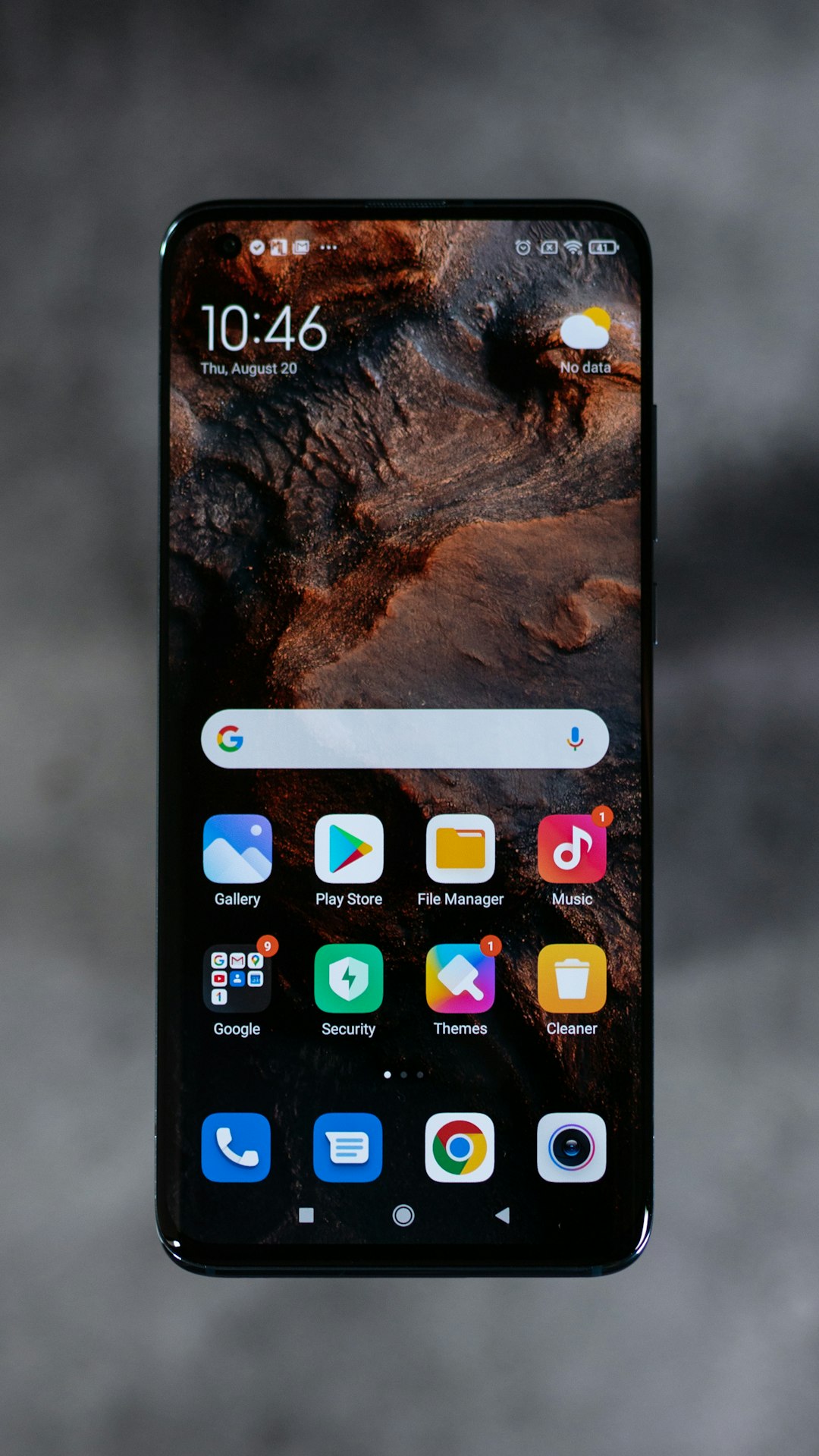
Unwanted robocalls can be a nuisance, but there are practical steps Virginia residents can take to reduce their frequency. First, consider registering for the National Do Not Call Registry. This federal list restricts telemarketers from calling your number, though it may not block all automated calls. Many phone companies also offer call-blocking features or apps designed to filter out unwanted numbers.
Additionally, be cautious about sharing your contact information. Review privacy settings on social media and online accounts. If you do answer a robocall, don’t engage with the caller. Instead, hang up immediately. While suing for robocalls in Virginia is an option if the calls violate state laws, it’s not always practical or successful. The best defense is a proactive approach to minimize unwanted contact.
Legal Recourse: Can You Take Action Against Robocallers?

In Virginia, as in many states, robocalls are regulated by laws designed to protect consumers from unwanted and fraudulent calls. If you’ve received a particularly nuisance or scam robocall, you may be wondering if there’s any legal recourse. Indeed, there are options available to take action against robocallers.
One common course of action is to file a complaint with the Federal Trade Commission (FTC) or your state’s attorney general’s office. These agencies track and investigate robocall activity, and your report can help them take action against repeat offenders. Additionally, some states, including Virginia, have laws that allow consumers to sue for damages caused by robocalls. If you can prove that a call was made without your consent or in violation of state law, you may be entitled to compensation. Consulting with a legal professional specializing in consumer protection can help determine the best course of action, especially if you’re considering suing for robocalls in Virginia.
The Battle Against Robocalls: Effective Solutions for Southwest Virginia
Southwest Virginia residents are increasingly frustrated by the deluge of robocalls they receive daily, but there are effective solutions to combat this growing nuisance. While blocking numbers and registering on “Do Not Call” lists are basic steps, legal action against persistent robocallers may be an option for those who feel their rights have been violated. In Virginia, can I sue for robocalls? Absolutely. The Telephone Consumer Protection Act (TCPA) prohibits automated or prerecorded calls to consumers without prior express consent and provides a private right of action for individuals whose privacy is invaded.
If you’ve been subjected to incessant or unauthorized robocalls, it’s advisable to document the calls, including timestamps, call sources, and any recorded messages. This evidence can be crucial when considering legal recourse, such as filing a lawsuit against the offending robocallers under TCPA regulations. Additionally, staying informed about local consumer protection laws and consulting with an attorney specializing in telecommunications law can empower Southwest Virginia residents to take charge and mitigate the impact of unwanted robocalls.