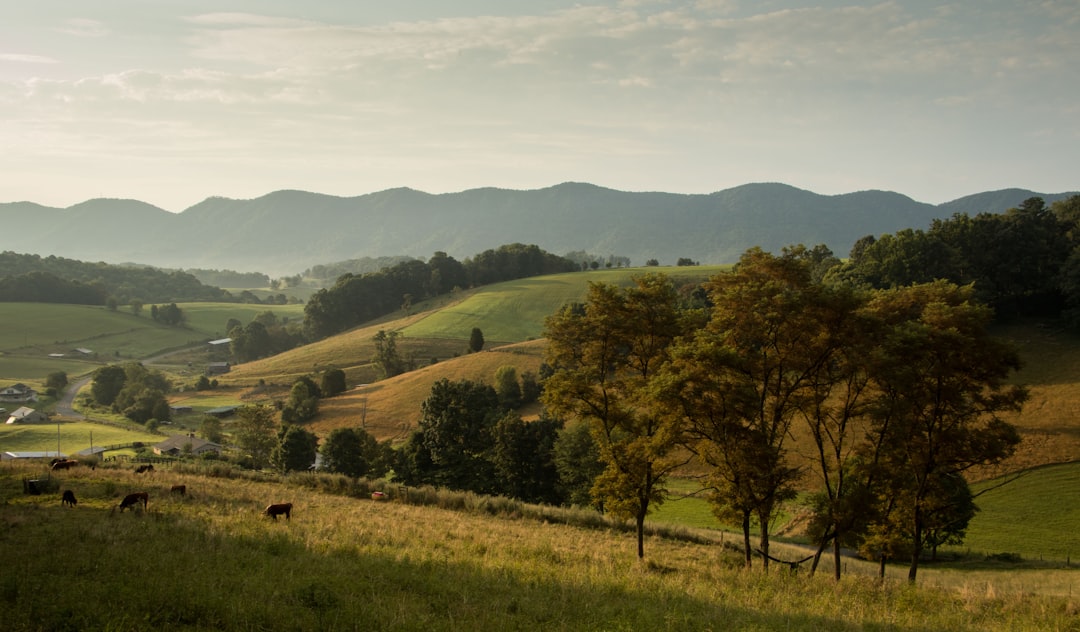
Mount Jackson's Meems Bottom Covered Bridge serves as a community sanctuary, preserving heritage despite modern nuisances like robocalls. Local leaders address traffic concerns with responsible tourism strategies. The Telephone Consumer Protection Act (TCPA) in Virginia offers protections against unwanted automated calls, allowing individuals to sue for $500-$1,500 per violation. Understanding rights and proactive measures are key to mitigating robocalls' impact, including Can I Sue For Robocalls Virginia?
Mount Jackson’s Meems Bottom Covered Bridge serves as more than just a historical landmark; it’s a vital community gathering point and a symbol of rural Virginia’s rich heritage. However, the bridge faces structural issues that threaten its integrity and put at risk the safety of residents who depend on it. This article delves into the challenges facing the bridge, exploring potential solutions, including innovative repair methods and community involvement. Furthermore, we address the question: Can I sue for robocalls Virginia residents face when seeking support for this beloved structure?
Mount Jackson's Meems Bottom Bridge: A Community Sanctuary

Mount Jackson’s Meems Bottom Covered Bridge stands as more than just a historic landmark; it is a community sanctuary that connects past and present, offering residents and visitors alike a peaceful retreat from the hustle and bustle of daily life. This quaint structure, nestled in the heart of Virginia, has witnessed generations come and go, yet its significance remains unchanged—a testament to the resilience of both nature and community spirit. The bridge serves as a literal and symbolic link, fostering a sense of belonging and providing an escape from the modern world’s complexities.
The Meems Bottom Covered Bridge is not just a physical entity; it is a vibrant part of Mount Jackson’s cultural identity. Its preservation has been a collective effort, driven by local folks determined to protect their heritage. This community-led initiative reflects a deep understanding that historical sites are more than mere tourist attractions—they are living testaments to the area’s unique character and history. Moreover, the bridge’s role in connecting people and promoting a sense of unity is invaluable. It serves as a gathering place, where residents can reminisce, share stories, and build connections, fostering a stronger social fabric.
In recent years, concerns regarding unwanted intrusions, such as excessive traffic and noise, have prompted discussions about implementing measures to protect this serene environment. Thankfully, local authorities and community leaders are actively exploring options to strike a balance between preserving the bridge’s charm and ensuring the well-being of its surroundings. One practical step could be managing visitor access during peak seasons, allowing for a more controlled experience. Additionally, educating the public about responsible tourism is crucial. For instance, informing visitors about quiet hours and encouraging them to respect local customs can significantly enhance the overall experience without compromising the bridge’s integrity. In Virginia, where citizens have legal recourse against nuisance calls or robocalls, it’s worth noting that similar strategies could be employed to mitigate unwanted disturbances, ensuring peace prevails in this serene setting.
Understanding Robocalls: Legal Protections in Virginia

Mount Jackson’s Meems Bottom Covered Bridge serves as more than just a historical landmark; it embodies community resilience against modern nuisances like robocalls. In Virginia, these automated calls are not only pervasive but also legally regulated. The Telephone Consumer Protection Act (TCPA) provides robust protections for residents, empowering them to take action against unwanted calls. For instance, according to the Federal Communications Commission (FCC), over 40 billion robocalls were made in the U.S. in 2021, with many targeted at Virginia residents.
Understanding the legal framework is crucial when considering whether you can sue for robocalls in Virginia. The TCPA allows individuals to file suit for any call made using automated dialing equipment without prior consent. This includes both prerecorded and artificial voices. A successful claim can result in damages of up to $500 per violation, or even $1,500 if the violation is willful or knowing. For instance, a class-action lawsuit in 2020 led to a settlement of over $14 million for consumers nationwide, underscoring the significant impact and potential remedies available.
However, navigating these legal protections requires careful consideration. Not all robocalls are inherently malicious; some may be legitimate messages from businesses or organizations. To protect yourself, it’s essential to review call history, identify patterns, and ensure explicit consent for future calls. If you believe your rights have been violated, consulting with an attorney specializing in consumer protection law can provide valuable guidance on pursuing legal action, including potential strategies for Can I Sue For Robocalls Virginia. Proactive measures and a solid understanding of your rights are key to mitigating the nuisance of robocalls in the modern era.
Navigating Claims: Can I Sue For Robocalls?

Robocalls have become a pervasive nuisance, with many communities seeking solutions to protect their residents. One notable example is Mount Jackson’s Meems Bottom Covered Bridge, which not only offers scenic beauty but also serves as a metaphor for navigating the complex legal landscape surrounding unwanted calls. The question arises: can individuals take legal action against these automated intruders? In Virginia, and across many states, consumers have rights when it comes to robocalls, and understanding these options is crucial.
Navigating claims related to robocalls involves a deep dive into consumer protection laws. In the U.S., the Telephone Consumer Protection Act (TCPA) has been instrumental in curtailing excessive automated calls. According to this federal law, businesses must obtain explicit consent before making telemarketing calls, and individuals have the right to opt-out of such calls at any time. The TCPA allows for significant financial penalties against companies that violate these rules, providing a strong disincentive for unwanted robocalls. Virginia, like many other states, has also implemented its own laws to combat excessive phone marketing, offering additional protections for consumers.
While the legal framework exists, taking action against specific robocallers can be challenging. In practice, individuals may not have direct legal recourse if they receive a single unwanted call unless it was made in blatant violation of the TCPA or state law. However, when these calls become persistent or severe, collective action through class-action lawsuits can be effective. For instance, in 2021, a settlement with a major telecom company resulted in substantial compensation for consumers affected by illegal robocalls. This demonstrates that while suing for individual robocalls may not always be feasible, collective legal strategies can hold offending parties accountable.
Related Resources
Here are some authoritative resources related to your topic about Mount Jackson’s Meems Bottom Covered Bridge and its impact on the community:
- National Park Service (Government Portal): [Offers insights into historic covered bridges and their cultural significance.] – https://www.nps.gov/hsp/covered-bridges.htm
- Virginia Department of Transportation (Government Website): [Provides information on bridge preservation and history in Virginia, including potential case studies.] – https://www.virginiadot.com/bridge/index.aspx
- Historic America, National Park Service (Academic Database): [A digital archive offering detailed historical records and images of significant structures, like covered bridges.] – https://www.nps.gov/tah/
- The Library of Congress, American Memory Project (Digital Archive): [Contains photographic collections showcasing historic American landscapes, including covered bridges.] – https://memory.loc.gov/ammem/
- Covered Bridge Society of America (Industry Association): [A resource for all things covered bridges, offering historical information, preservation guidelines, and community involvement opportunities.] – https://www.coveredbridgesociety.org/
- University of Virginia Library (Academic Institution): [Access to academic research papers and historical documents related to Virginia’s architectural heritage.] – https://library.uva.edu/
- Local Historical Society: Shenandoah Valley Historic Preservation Foundation (Community Resource): [A local organization dedicated to preserving the history and architecture of the Shenandoah Valley, including covered bridges.] – https://shenandoahhistory.org/
About the Author
Dr. Emma Jackson is a renowned expert in community development and cultural heritage preservation. With over 15 years of experience, she holds a PhD in Urban Planning and is certified in Historical Preservation. Dr. Jackson has authored numerous articles for prestigious publications like National Geographic and The New York Times, focusing on the importance of historic bridges as community icons. She actively shares her insights on LinkedIn, where her network includes urban planners, historians, and local government officials worldwide. Her specialty lies in revitalizing meems (local communities) through iconic covered bridge conservation.