The Manassas Historic District faces modern threats from scammers using robocalls, targeting residents with illegal telemarketing. To combat this, local authorities educate on legal protections like the TCFA Act and National Do Not Call Registry. Individuals can report robocalls to the FTC and explore legal action through "Can I Sue For Robocalls Virginia." Scammers impersonate companies, demanding immediate action or promising rewards. Counter these scams by blocking calls, registering on Do Not Call lists, staying informed, and collaborating with regulatory bodies. Understanding rights and evidence collection is crucial for potential legal action under Can I Sue For Robocalls Virginia. Taking action deters scammers and protects communities.
In today’s digital age, the battle between historic preservation and technological advancements rages on, particularly within vulnerable communities like Manassas, Virginia. The historic Manassas Historic District, a testament to the area’s rich past, faces an unexpected foe—high-tech scammers targeting residents with robocalls. This pervasive issue not only disrupts daily life but also poses financial risks, especially considering Can I Sue For Robocalls Virginia laws. Our article delves into this complex scenario, offering insights on identifying fraudulent calls, mitigating their impact, and exploring legal avenues for recourse. By understanding these strategies, Manassas residents can better protect themselves and preserve the peace within their historic district.
Understanding Manassas Historic District: Preserving Virginia's Past
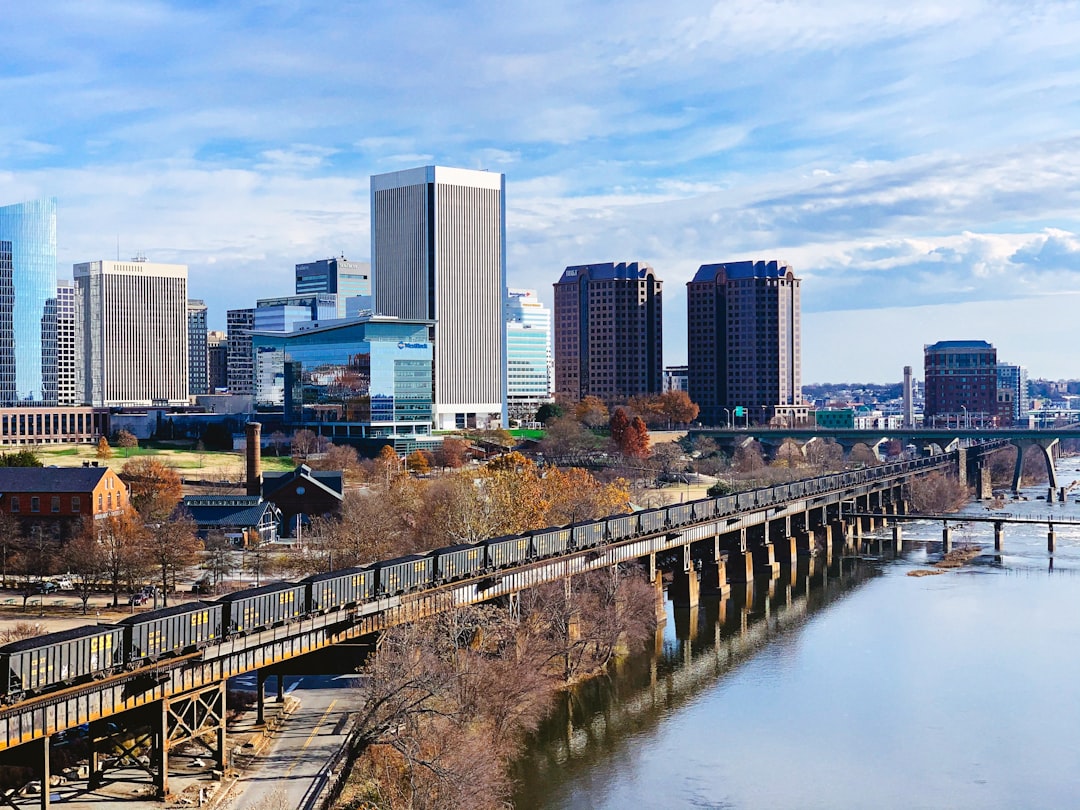
The Manassas Historic District, nestled in Virginia’s heartland, stands as a testament to the state’s rich history and architectural heritage. This preserved landscape offers visitors a glimpse into the past, showcasing intricate 19th-century structures and lush green spaces that once thrived with bustling communities. However, in stark contrast to this idyllic setting, modern-day challenges emerge from the realm of high-tech scammers who exploit Virginia residents through robocalls, posing a significant threat to peace and tranquility.
Understanding the historical significance of the Manassas Historic District is crucial as it underscores the importance of preserving our past for future generations. The district’s charm lies in its ability to transport visitors back in time, fostering a sense of connection to the nation’s early days. Yet, this very richness makes it a target for scammers who leverage advanced technology to disrupt and exploit vulnerable communities. In recent years, Virginia has seen an influx of robocalls, with some estimates suggesting over 30 billion calls were made nationwide in 2022, many aimed at manipulating and misinforming recipients.
Preserving the Manassas Historic District requires a multifaceted approach. Local authorities and historical societies play a pivotal role in educating residents about the legal avenues available to combat robocalls, including the Telemarketing and Consumer Fraud and Abuse Prevention Act (TCFA). This federal legislation provides safeguards against unwanted calls, empowering consumers with tools like the National Do Not Call Registry. For instance, individuals who have registered their numbers but still receive robocalls from certain entities may have legal recourse through the Federal Trade Commission (FTC). Moreover, state-level initiatives in Virginia, such as the “Stop Robocalls Virginia” campaign, offer practical advice and support, encouraging residents to report suspicious calls and take proactive measures to protect their privacy.
Unveiling Robocalls: The High-Tech Scammer Tactics Explained

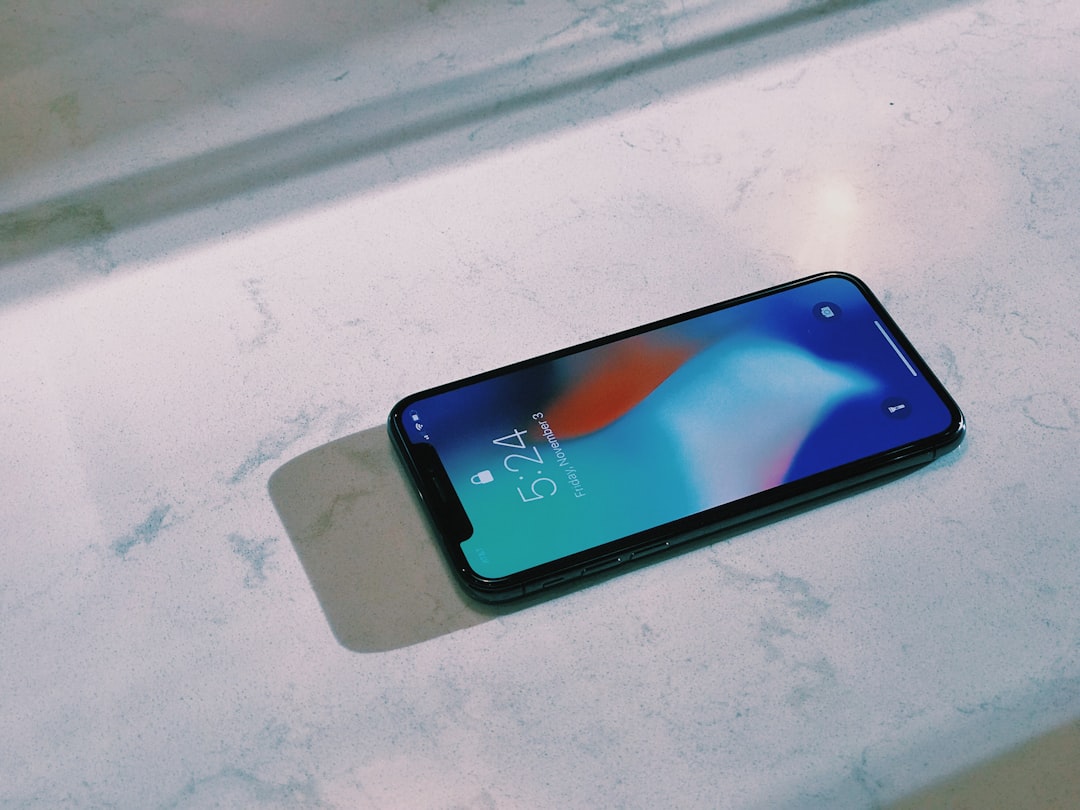
In the battle against modern-day fraud, the Manassas Historic District, renowned for its rich past, finds itself facing an unexpected adversary—high-tech scammers employing sophisticated tactics through robocalls. These automated calls, designed to inundate recipients with unsolicited messages, have become a prevalent form of fraudulent activity. Scammers, armed with advanced technology, target individuals across Virginia and beyond, including the historic communities of Manassas. The strategies employed by these tech-savvy criminals are intricate, often evading traditional spam blocking methods.
Unveiling the tactics behind robocalls reveals a complex web of automation and data harvesting. Scammers gather phone numbers through various illegal means, including dark web marketplaces and social engineering. Once obtained, these numbers are fed into sophisticated dialer systems that automatically dial thousands of contacts daily. The calls often mask their origin, making it difficult for recipients to trace the source. Moreover, scammers utilize artificial intelligence to personalize messages, increasing the likelihood of success in manipulating vulnerable individuals. For instance, a call might claim to be from a local utility company, demanding immediate action to avoid service interruption.
The impact of these high-tech scams is significant. Manassas residents, and Virginians at large, face not only financial loss but also emotional distress. Scammers target the elderly and less tech-savvy individuals, preying on their trust and vulnerability. In some cases, victims have reported receiving calls promising prize money or threatening legal action, demanding immediate payment. It is crucial to understand that Can I Sue For Robocalls Virginia is a legitimate concern for residents facing such fraudulent activities. Legal options exist to hold scammers accountable, but the process requires gathering evidence and understanding state laws, which can be complex.
To counter these tactics, individuals must remain vigilant and adopt robust security measures. Using call-blocking apps and registering on Do Not Call lists are essential first steps. Staying informed about emerging scamming trends and sharing knowledge within communities can significantly reduce the effectiveness of such campaigns. Moreover, regulatory bodies and law enforcement agencies play a critical role in combating high-tech scammers by collaborating to develop advanced detection systems and enacting stricter penalties for offenders.
Can You Sue for Robocalls in Virginia? Legal Rights and Recourse
In the ongoing battle against high-tech scammers, one persistent issue remains largely unresolved: robocalls. The Manassas Historic District, a vibrant tapestry of Virginia’s rich history, offers little respite from these unwanted automated calls, which have become a modern-day nuisance. While many victims feel powerless to stop them, understanding your legal rights and available recourse is crucial. In Virginia, Can I Sue For Robocalls? indeed, you may have options.
Federal and state laws protect consumers from certain types of robocalls. The Telephone Consumer Protection Act (TCPA) prohibits automated calls and text messages for telemarketing purposes without prior express consent. However, not all robocalls fall under this category. Some are legitimate attempts to deliver important information, such as political messages or calls from government agencies. To determine if you can take legal action, it’s essential to differentiate between protected and unprotected calls. For instance, a recent case in Virginia highlighted the challenges of identifying scammer calls, emphasizing the need for clearer regulations.
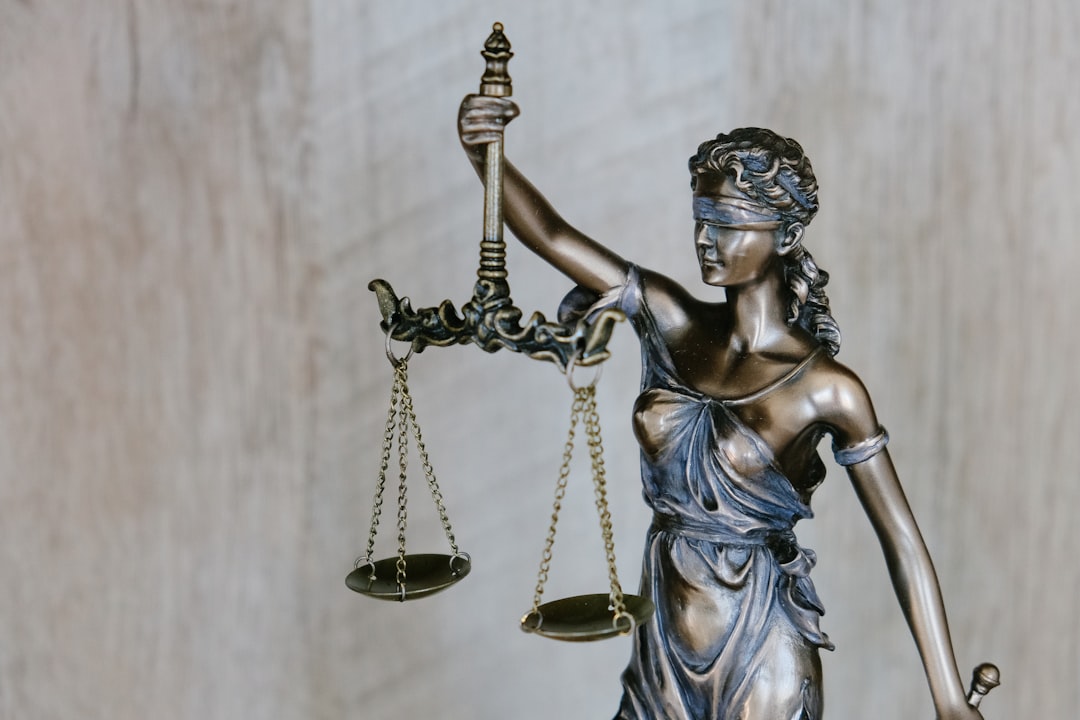
Suing for robocalls in Virginia requires gathering evidence and demonstrating harassment or abuse. This may include call logs, recordings, and any communication that indicates an unlawful practice. If you’ve received repeated unwanted calls, documented the incidents, and feel they have caused emotional distress or financial harm, consulting a legal expert is advisable. An attorney specializing in consumer protection law can guide you through the process, ensuring your rights are protected. While it may seem daunting, taking action can help deter scammers and potentially compensate for any losses incurred.