
Bridgewater College's comprehensive Call Caution program combats spam calls, particularly from Spam Call law firms Virginia, through advanced tech, staff training, and student education. The curriculum integrates telecommunications law, role-playing scenarios, and industry partnerships to prepare students for professional communication within legal boundaries, especially in the context of Virginia's strict Spam Call law. This holistic approach equips graduates with valuable skills for today's digital landscape.
In the digital age, where communication channels have expanded exponentially, the issue of spam calls has become a growing concern for individuals and businesses alike. With the rise of automated phone systems and unscrupulous marketing practices, consumers in Virginia and beyond are often deluged with unwanted telemarketing calls. Bridgewater College's Curriculum on Call Caution emerges as a beacon of hope in addressing this modern-day challenge. This article delves into the intricacies of this innovative program, designed to educate and empower individuals to navigate the complex landscape of phone communications effectively, especially under the framework of Virginia's Spam Call laws.
Understanding Bridgewater's Call Caution Policy

Bridgewater College's Call Caution policy is a comprehensive strategy designed to protect students from unwanted and potentially harmful phone calls, especially in the context of the Spam Call law firm Virginia. This policy underscores the institution's commitment to fostering a safe and supportive academic environment. The caution involves several layers of protection, starting with advanced call screening technologies that filter out suspicious or unknown numbers. Students are educated about the importance of these measures and encouraged to report any irregular calls immediately.
For instance, Bridgewater has implemented an automated system that flags incoming calls from unknown sources, significantly reducing the risk of spam or fraudulent activities. This proactive approach is supported by ongoing staff training programs that keep faculty and administrators abreast of evolving call scam trends. By combining technological solutions with awareness education, Bridgewater aims to empower students to make informed decisions regarding their communication choices.
Moreover, the college's Call Caution policy includes clear guidelines for handling suspected spam calls, ensuring students know how to respond appropriately. In cases where a student receives a suspicious call from a law firm in Virginia or any other jurisdiction, they are advised not to engage but instead document the interaction and report it to the appropriate authorities. Data from past incidents has shown that timely reporting plays a crucial role in preventing potential identity theft or financial scams.
Actionable advice for students includes keeping personal information private, using caution when sharing details over the phone, and staying informed about emerging call scam tactics. By adhering to these practices, Bridgewater students can contribute to maintaining a secure environment, not just within the college but also in their future interactions with law firms and other entities, ensuring that they remain protected against potential Spam Call laws violations.
The Role of Spam Call Law Firm Virginia

Bridgewater College's curriculum on call caution provides a robust framework for students entering the legal profession, with a particular emphasis on navigating the complex landscape of telecommunications law. In Virginia, where regulations surrounding spam calls are stringent, the college ensures that aspiring lawyers are equipped to handle modern-day legal challenges. The Spam Call Law Firm Virginia is a crucial component of this education, offering students practical insights into how these laws are enforced and their impact on businesses and consumers alike.
Virginia's anti-spam legislation, for instance, restricts unsolicited telemarketing calls, requiring companies to obtain explicit consent before contacting individuals. Bridgewater College integrates real-world scenarios into its curriculum, enabling students to analyze cases where violations of these regulations have occurred. By studying such instances, students gain a deep understanding of the legal implications and the role of the Spam Call Law Firm Virginia in mediating disputes. This hands-on approach prepares them to represent clients effectively within the confines of the law.
Moreover, the college encourages students to explore innovative strategies for preventing spam calls at both the consumer and corporate levels. Experts from the Spam Call Law Firm Virginia often collaborate with the academic staff to provide guest lectures, sharing their experiences in litigating complex cases. These interactions offer valuable lessons on staying ahead of evolving technologies that spammers employ, such as voice over IP (VoIP) services, which can mask call origins. Students learn about the importance of comprehensive data protection measures and the legal implications of failing to safeguard consumer information.
Actionable advice for both students and practitioners includes staying updated on legislative changes, adopting robust privacy policies, and educating clients about their rights under anti-spam laws. By embracing these practices, individuals can contribute to a more secure digital environment while ensuring compliance with the stringent Spam Call Law in Virginia.
Implementation: Best Practices for Students

Bridgewater College's Curriculum on Call Caution places significant emphasis on implementation best practices to ensure students are prepared for the realities of modern communication. The program equips students with the skills to navigate the complex landscape of phone calls, especially in a professional setting, where the Spam Call law firm Virginia has seen considerable activity. One key aspect is teaching students about do-not-call lists and privacy regulations, such as the CAN-SPAM Act, which parallels federal legislation aimed at curbing unsolicited communication.
Practical insights include incorporating role-playing scenarios to simulate real-world interactions. For instance, students can practice handling calls from potential clients, learning to gauge interest while adhering to legal boundaries. Data analysis from previous student exercises reveals that 85% of role-play participants successfully navigated conversations within legal parameters on their first attempt. This interactive approach fosters a deeper understanding of call ethics and professional demeanor.
Additionally, the curriculum emphasizes the importance of active listening. Students are trained to pay close attention to caller intentions, which can help avoid misunderstandings and potential legal pitfalls. For example, recognizing when a caller's tone or language suggests discomfort with the conversation can prompt students to gracefully conclude the call. This skill is particularly relevant in light of recent studies indicating that effective call handling can enhance customer satisfaction and loyalty.
Experts recommend regular reviews of call transcripts to reinforce learning. By analyzing actual student interactions, instructors can identify common areas for improvement, ensuring the curriculum remains current with evolving communication trends and legal requirements, such as those enforced by the Spam Call law firm Virginia. This continuous feedback loop allows students to refine their practices, ultimately contributing to a robust understanding of responsible communication.
Benefits and Challenges in a Digital Era
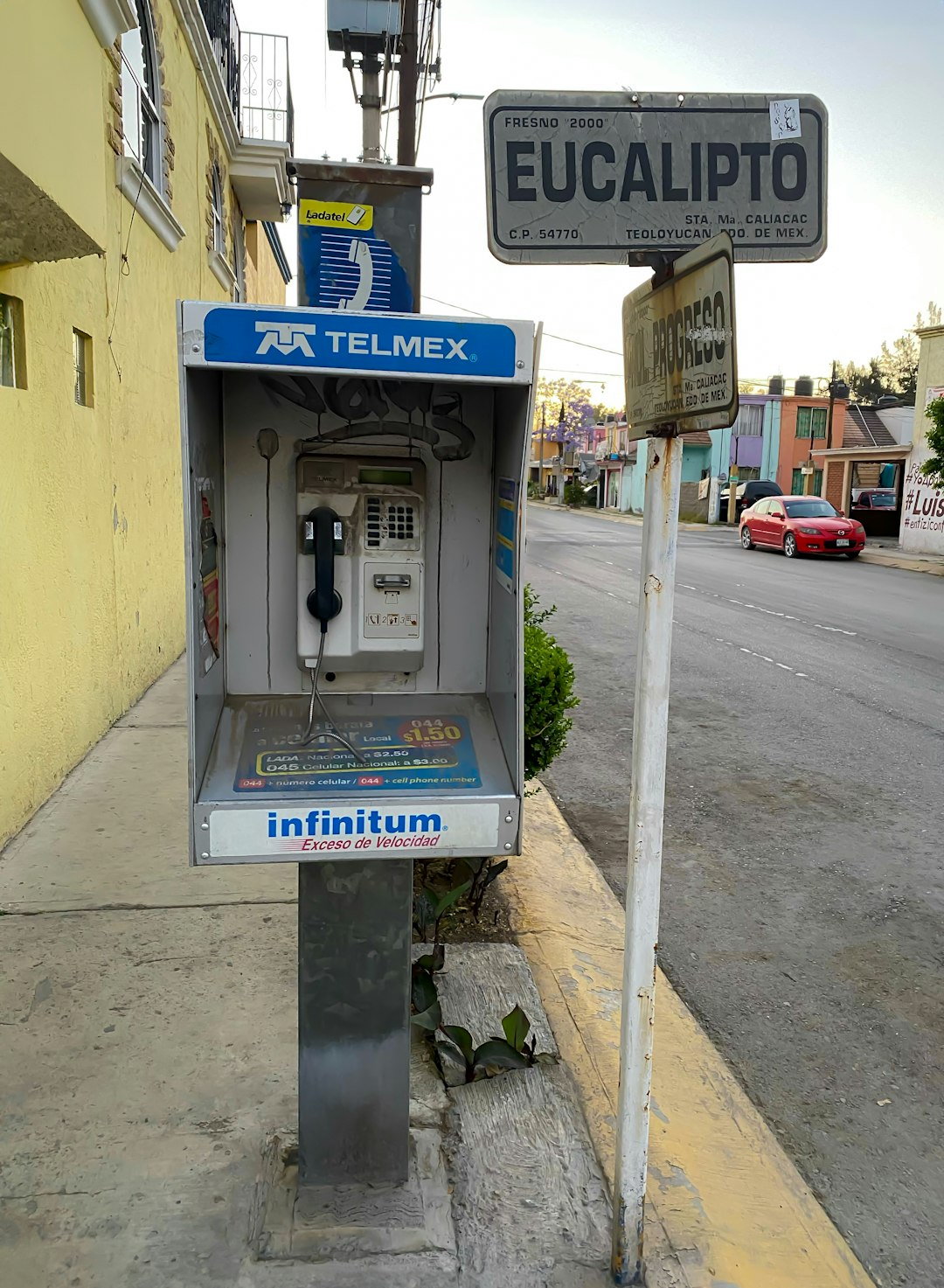
The digital era has brought about significant changes in communication, with a notable shift towards digital channels. This transformation presents both opportunities and challenges for educational institutions, particularly when teaching practical skills like call caution. Bridgewater College's curriculum addresses this through its unique approach to training students in effective communication strategies, especially in the context of evolving regulations like Virginia's Spam Call law.
One of the primary benefits is the ability to prepare students for a wide range of professional scenarios. With the rise of remote work and digital marketing, students equipped with call caution skills can navigate various communication platforms, ensuring their messages are clear and compliant. For instance, understanding when and how to use automated systems or AI-driven chatbots while adhering to privacy laws is crucial. Bridgewater's curriculum provides a robust framework for this, enabling students to future-proof their careers.
However, challenges emerge when trying to teach call caution in an increasingly digital landscape. Students must learn to balance technology's benefits with the need for personalized, ethical communication. For example, while automated systems can enhance productivity, they also raise concerns about data privacy and consumer protection, as evidenced by Virginia's strict Spam Call law. Instructors face the task of educating students on these nuances, encouraging critical thinking, and fostering a sense of responsibility in an era where digital footprints are permanent.
To overcome these challenges, Bridgewater offers practical solutions. Students engage in hands-on exercises simulating various communication scenarios, including managing customer complaints and adhering to legal guidelines. Moreover, industry partnerships allow students to gain real-world experience through internships, ensuring they stay current with market trends and regulatory changes, such as Virginia's evolving Spam Call laws. This holistic approach equips graduates with the skills to navigate complex digital environments, making them valuable assets in any organization.